Heel Sleeves for Friction Protection
Heel sleeves help create a soft layer around the heel area. They are useful when shoes rub against the back or side of the foot and can help make daily footwear feel more comfortable.

Explore heel health products designed to improve everyday comfort, reduce rubbing and protect the heel area inside suitable footwear. Whether you need soft heel sleeves, cushioning support or simple heel-care accessories, this collection makes it easier to care for your feet during daily wear.
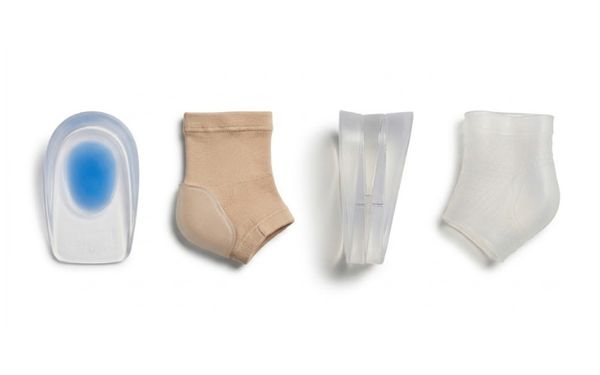
Helps add soft cushioning around the heel area.
Helps protect heels from friction inside suitable footwear.
Flexible silicone design for lightweight everyday comfort.
Practical support for walking, standing and daily wear.
Heel health products are designed to help make daily movement more comfortable by adding soft protection around the heel. They can be useful when shoes rub, when heels feel dry or sensitive, or when extra cushioning is needed during walking, standing or regular footwear use.
Simple heel-care products can make everyday footwear more comfortable by helping reduce friction and adding soft support where your feet need it most.
Heel sleeves help create a soft layer around the heel area. They are useful when shoes rub against the back or side of the foot and can help make daily footwear feel more comfortable.
Silicone heel products are soft, flexible and easy to wear. They can add gentle cushioning without feeling bulky, making them practical for everyday use.
Heel health products can help support comfort during walking, standing, commuting and regular movement. They are a simple option for people who spend long periods on their feet.
Heel sleeves are easy to use and suitable for many daily routines. They can be worn with suitable footwear to help protect the heel and improve everyday comfort.
Explore practical heel-care products designed to add cushioning, reduce rubbing and improve everyday comfort inside suitable footwear.
The heel supports a large share of your body weight during standing and movement. Comfortable footwear, sensible activity levels and suitable cushioning can help protect pressure-prone skin and improve day-to-day comfort.
oFashion heel health products are designed to provide practical cushioning and reduce friction inside compatible footwear. They are not medical devices and should not be used to delay professional care for ongoing or severe symptoms.
Your heels absorb pressure whenever you stand, walk or run. Long periods on hard surfaces, increased activity and footwear that rubs or lacks cushioning can leave the heel feeling tired, tender or uncomfortable.
A comfortable shoe fit, gradual changes in activity and suitable cushioning can help reduce everyday pressure. Persistent, severe or unexplained heel pain should be assessed by a qualified health professional.
Silicone heel sleeves sit around the heel to provide a soft protective layer. They may help reduce friction from footwear and add cushioning around dry, sensitive or pressure-prone areas.
Heel sleeves are intended as comfort accessories rather than a treatment for an underlying injury or medical condition. Choose a secure fit that stays in place without restricting circulation.
Consider where the discomfort occurs, the type of footwear you wear and how much space is available inside the shoe. A thin sleeve may suit close-fitting shoes, while roomier footwear may accommodate extra cushioning.
Check the product dimensions and material before use. Stop wearing the product if it causes numbness, increased pain, skin irritation or excessive pressure.
Place the sleeve over clean, dry skin and position the cushioned section around the heel. Put your shoe on slowly and check that the sleeve has not folded, twisted or created a tight pressure point.
Begin with short periods of wear and check the skin afterwards. People with diabetes, reduced circulation, reduced sensation or existing skin wounds should seek professional advice before using foot-care accessories.
Hand-wash silicone heel sleeves with mild soap and lukewarm water after use. Rinse thoroughly and allow them to air-dry away from direct heat and sunlight.
Do not use bleach, harsh solvents or abrasive brushes. Replace the sleeves if the material tears, loses its shape or no longer stays comfortably in place.
Seek medical advice when heel pain is severe, follows an injury, prevents normal walking or continues despite rest and footwear changes. Swelling, redness, warmth, numbness or an open wound also warrants prompt assessment.
Heel discomfort can have several causes, so an accurate diagnosis is important. A podiatrist, physiotherapist or doctor can assess the cause and recommend an appropriate management plan.
Browse Heel Socks Sleeves Silicone , Toe Health and Foot Health .
Silicone heel sleeves are used to add a soft layer of cushioning around the heel. They may help reduce rubbing and everyday pressure inside suitable footwear. They are comfort accessories and are not a substitute for diagnosis or treatment of persistent heel pain.
Yes, heel sleeves may help reduce friction between the heel and the inside of a shoe. They work best when the footwear already fits correctly and has enough room for the additional material. A sleeve should not make the shoe feel tight or create a new pressure point.
Heel sleeves can be worn for extended periods when they remain comfortable and the skin is checked regularly. Begin with shorter wear times to assess the fit. Remove them if you notice numbness, irritation, increased pain, excessive sweating or skin discolouration.
Yes, silicone heel sleeves can usually be worn under or over thin socks depending on the product and shoe fit. Wearing socks over the sleeve may help keep it in place. The final combination should feel secure without compressing the foot.
No, heel sleeves may not fit comfortably inside every shoe. Close-fitting dress shoes, narrow sneakers and footwear with limited heel space may become too tight. Test the sleeve with the intended footwear before wearing it for a long period.
Silicone heel sleeves should sit smoothly around the heel without rolling, pinching or restricting circulation. They should remain in place during normal movement while still feeling comfortable. A sleeve that leaves deep marks or causes numbness is too tight.
Hand-wash silicone heel sleeves using mild soap and lukewarm water. Rinse away all soap residue and leave them to air-dry fully before wearing them again. Avoid bleach, harsh cleaners, tumble drying and direct heat.
Replace heel sleeves when the silicone tears, stretches, becomes sticky or no longer holds its shape. Replacement timing depends on frequency of use, care and footwear. Inspect the sleeves regularly so damaged material does not rub against the skin.
No, heel sleeves do not treat the underlying cause of plantar fasciitis. They may provide temporary cushioning for some people, but persistent heel pain requires appropriate assessment and management. A health professional can advise on footwear, activity, stretching and other suitable options.
People with diabetes, poor circulation, reduced sensation, broken skin or an active foot condition should seek professional advice before using heel sleeves. These conditions can make pressure or skin damage harder to detect. Stop use immediately if the product causes pain, numbness or irritation.
oFashion heel health products are dispatched from Sydney, NSW, for delivery within Australia. Check the product page and checkout for current availability, delivery options and estimated shipping times.
Heel health products are a practical way to improve comfort and reduce rubbing around the heel area. Explore more Foot Health options or browse related everyday accessories for simple comfort solutions.